Episode 2: How Do I Buy Responsibly?

Shopping is a part of daily life. Whether it’s grabbing a snack at school, buying new sneakers, or saving up for your first laptop, you’re constantly making choices about what to spend on. All of the stuff you own and use had to be bought at some point. But responsible buying isn’t just about if you can swipe your card or press “Add to Cart”. It’s about understanding the full impact of your purchases, on your wallet, your mental health, on other people, and even the environment!
That's where the idea of consumer responsibility comes in. As we explored in the previous episode, in the grand economic scheme of things, you are a consumer - you buy things that you need and want, and you exchange that for value. You are also a producer - you create stuff or do something that, at some point, somebody is going to pay for. In that way, the economy is almost an ecosystem - where we are both producers and consumers, constantly generating stuff that has value.
Here's Natalie, a software engineer who works for a recent startup. She is making an app that is for-purchase on the Apple Store. That means that anytime somebody buys her app, they exchange money that they have (either by earning or by inheriting) for stuff that she made. Now, she has that money, and they have the app. She can then use that money to buy groceries - which means that she is now paying a cashier, whose paycheck will come from the profit made on her purchases.
In real life, the passing along of money isn't as simple as that - every time you buy a product, there's probably multiple hands that have had some contribution in making it. Consider a plushie, for example. While you might think that your buy is only money for the toy company (let's say Toys R Us) you bought it from, but also the supplier that assembled the cloth, the artist who designed the plushie and now gets royalties for it, and even the farmer that produced the cotton it was made out of. Because of our manufacturing-based, highly globalized world, most of the stuff that we buy and sell goes through multiple stages of processing. We can summarize that through something known as the "product life cycle", which follows five stages:
- Raw materials are acquired by a company that extracts them from the natural environment - e.g. a farmer growing cotton
- Manufacturing involves turning the raw materials into a usable product - e.g. the cotton being processed into a complete plushie in a factory
- Transportation moves the product to where it will be sold, often by a logistics/carrier company - e.g. a cargo plane where plushies are taken from the factory to the country where they will be sold
- Retail is used to refer to the stores where the product will be sold directly to consumers - e.g. the plushie being sent to Toys R Us
- Consumption by you will eventually result in the end of the product cycle, as the plushie will eventually be disposed of
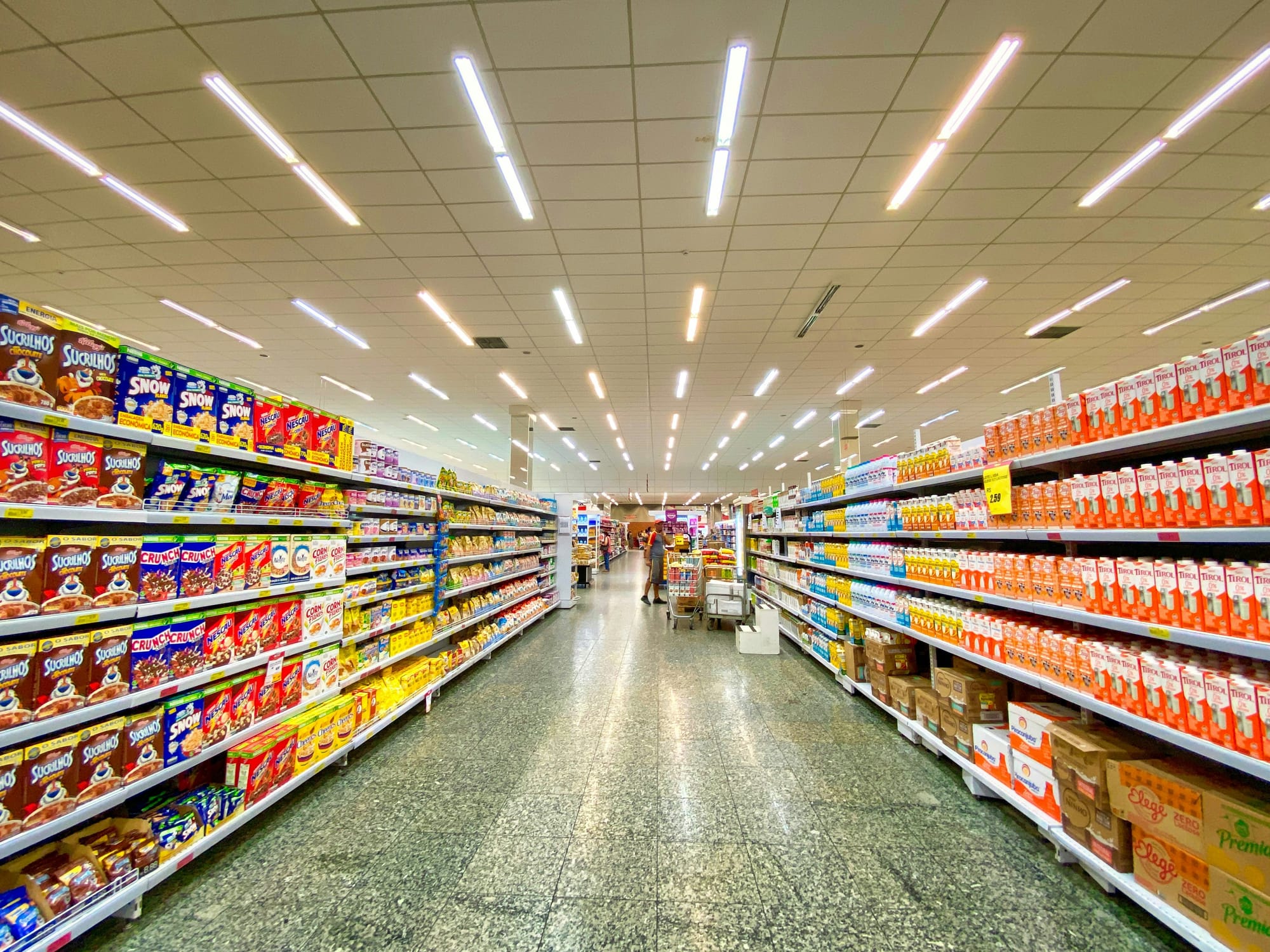
In today's world, it's misleading to call this a cycle, since it often actually is a straight line - the actual products don't end up getting recycled, and at the end, we keep generating tremendous amounts of waste. For example, many fast fashion companies rely on cheap labor (which is often exploitative of workers) and pump out products that quickly fall apart, creating mountains of waste. That “$5 shirt” might seem like a bargain, but when it rips after two washes, you end up replacing it– and the cycle of spending continues. The low price tags don’t mean the costs disappear: they’re just shifted onto underpaid workers and enormous landfills that exacerbate plastic pollution. Especially with the sheer volume of things we consume in a regular basis, and how quickly they often become obsolete and unusable, even one consumer gets through lots of waste very, very quickly. A big part of consumer responsibility, therefore, is understanding the impact that what you buy has on people and the planet.
For people, think about those hands that your product has passed through. Every product is made by someone, somewhere. Responsible buying means asking whether your money is supporting fair labor practices or exploitation. When workers are exploited, it means they are paid significantly low wages (as low as $0.33 an hour), and work as long as 16 hours to make ends meet. A 2021 report by Public Eye found that some workers in Guangzhou factories were clocking 75-hour weeks with only one day off a month, conditions that violate China’s own labor laws. Shein has also been accused of using hidden workshops to take on orders without oversight, making it nearly impossible to trace abuses. Temu, another bargain platform, has come under scrutiny for ties to suppliers linked with forced labor, raising concerns about modern-day slavery embedded in everyday purchases. Even popular athletic brands have faced criticism for underpaying garment workers in countries like Bangladesh and Cambodia, where monthly wages are often less than $100 a month despite full-time labor.
Every product has an environmental footprint. Think about the energy used in factories, the water consumed in dyeing fabrics, the fuel burned to ship items across oceans, and the waste when you throw things away. Earth.org explains that the fashion industry alone is responsible for ~92 million tons of textile waste annually. This waste eventually enters our waterways, and landfills.
Natalie considers this when she shops for clothes. Instead of chasing every microtrend, she invests in pieces she’ll wear for years. She even resells or donates old clothes rather than tossing them. Brandon, in contrast, often chooses convenience: next-day shipping, single-use packaging, disposable trends. Over time, his choices add up both in money wasted and environmental harm.
You might think “Why does this matter? I’m just one person buying one hoodie.” But your choices have ripple effects. If millions of people buy fast fashion, companies keep producing it at the same scale. If millions of people could support sustainable brands, industries shift. Your wallet is more powerful than you think.
Trust us, we understand those urges you get: social media is full of fast fashion hauls, viral gadgets, and endless ads. In fact, it’s been proven that 62% of in-store purchases are made impulsively. Impulsive purchases happen because stores purposely stimulate reckless spending with impressive customer service, and engineering their clothes towards common trends. What we buy is actually an engineered process created by marketing that plays into the way your brain works - this psychological aspect of money is known as behavioral economics. Many of these marketing techniques are used very frequently because of their effectiveness, and can lead to you spending money on something you don't really want or need. We call these spending traps - here are the common ones to look out for:
- Good Deals: While some discounted items or bundle pricing are actually better-value than buying as usual, others are often gimmicks that make use of something called "anchoring bias", where, by looking at an initial price and seeing a discount, you are more likely to think that the new price is less. For example, if a mug is on sale from $25 to $20, you might think you're getting a good deal on a mug, when you've just spent $20 on something that usually costs....$5-$8
- Social Comparison (Also known as "Pick-me" bias): This is a common spending trap you'll find on social media, where a product's value comes from its social capital - everything from Gucci to Stanley cups - that make you look better than others, or play into an insecurity of yours.
- Mere Exposure Effect (Also known as Brainrot) : This (I kid you not) is another one present on social media, where by just seeing a product, a buzzword or an image repeatedly, you can develop a want to buy it
- Appeal to Authority (Sometimes known as Rizz): This is when brands will use a celebrity, a perceived "expert", or someone else to actually sell items that may not be that valuable. For example, a dentist in an ad endorsing a specific brand of toothpaste
- Extremity Bias (Also known as Ragebait): This is when marketing will often push to extremes, which often elicits strong reactions - but also lots of engagement. Think the recent Sidney Sweeney ad with American Eagle, or aggressive mukbangs that show overconsumption
With all of these spending traps out there, you might be wondering how you can ever know the difference between marketing for genuinely good products, and things that are scams. The simplest test is - do you have any evidence that the qualities of the product itself is good, and something you want? If the answer to that question is yes, then it's probably legit.
At its core, consumer responsibility isn't just buying less and consciously buying ethical products, it also means having a responsibility to yourself. That's not just the you now that wants stuff, but also future you who will also want stuff. If you buy a $200 pair of sneakers but can’t cover your phone bill next week, that’s a problem. To truly be a responsible consumer, you need to think about your wallet and your mental health. Knowing that the purchases that you make now will impact you in the long run, and that will, in turn, impact your mental health, is the primary mindset we want you to have as you spend.
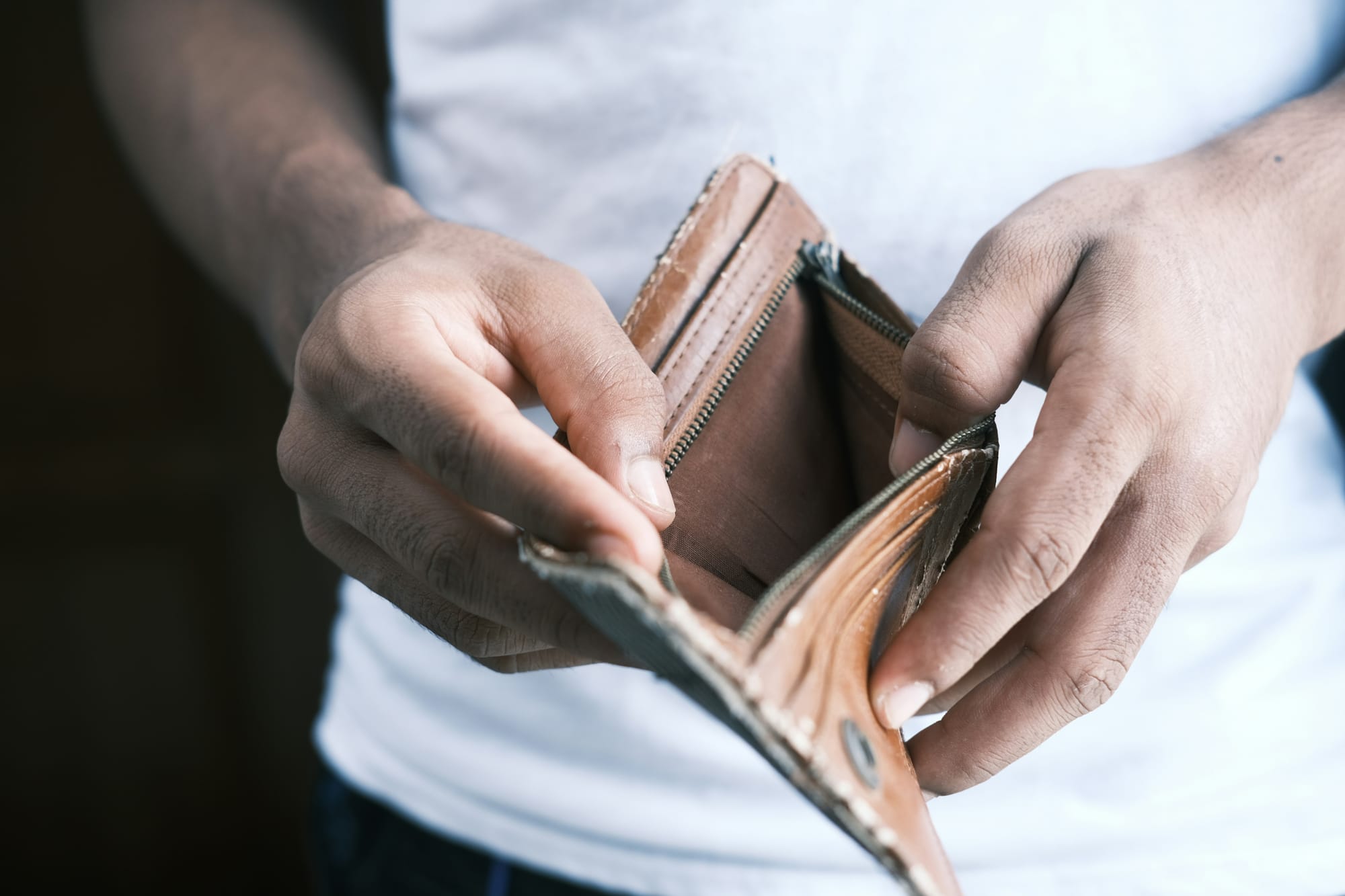
On a personal level, learning to buy responsibly now sets you up for adulthood. You’ll waste less money on things that fall apart, and you’ll feel better about the impact of your choices. So, how does one buy responsibly while avoiding the many harmful outcomes? Here are some guidelines for responsible buying:
- Live with a budget: A budget is basically a plan for your money– it tells your cash where to go, so you don’t end up wondering where it went. The numbers you write down keep you from impulsively spending on little things and running out of money later. Episode 4 focuses on building a great budget!
- Pause before you purchase: This is the easiest way to stop impulse mistakes. The “24-hour rule”: if it’s not something you need right now, wait 24 hours before buying. This helps because your emotions of initial excitement and attachment to the purchase fades. The thing that feels urgent at 3 a.m. often doesn’t feel worth it the next day. Another way to pause before purchasing is to add the item to a “maybe” list in your notes instead of buying it immediately. If you still want it after a day and it fits in your budget. If not, move on. Often, just 20% of the things you buy will actually be something you care about.
- Check the true cost: The price tag is only part of the story. Ask yourself how long will this last? Are there extra fees? Does it need batteries or special care? For example, consider cheap versus quality sneakers. A cheap pair that is worth ~$30, lasts 6 months. In 36 months, you’d buy around 6 pairs, adding up to $180 of money spent on sneakers. If you buy a quality pair that lasts around $90, it could potentially last 36 months. There are also other hidden costs to think about: shipping, return fees, repairs, phone plan upgrades. Always ask yourself, “What will I still be paying in a year?”
- Prioritize quality: Quality means better materials, better make, and usually good reviews. How to judge quality quickly:
- Look at what it’s made of (go for cotton instead of cheap synthetic)
- Read a few real reviews, (not just the five-star ads)
- Check the return policy, and the warranty (longer is better)
- Embrace thrift: Thrift stores, resale apps, and hand-me-downs let you get good stuff more, much less. You can look at family hand-me-downs, thrift shops, or even garage sales and still find great clothes, bikes, books, and even electronics.
How to shop secondhand safely:
- Check the condition carefully (zippers, stains, battery life) - there's often a YouTube tutorial for assessing the quality on almost everything, from clothes, to furniture
- Test, test, test! Ask for pictures and test videos for electronics, sit on the furniture and try on the clothes.
- If you buy in person and not from a store, bring a friend or parent for safety, and act respectfully and professionally
- Research brands: This sounds big, but starts small. You don’t need to trace an entire supply chain — just look for signs of responsible practices. The two strongest tests are transparency and reputation. For transparency, just look at the label, and see if they give returns, care instructions, the quality of the item, and warranties. You can also look into the certifications of products in your country, which often show up as little labels. These aren't given by the company, they're given by the government or other third-party reviewers. For reputation, a quick Google search should reveal the reporting and press on that company - that's why financial news exists!
- Plan for big purchases: For bigger items like a phone, bike, or laptop, set aside money a little at a time instead of trying to pay all at once. Keeping this savings separate makes it easier to see your progress and reach your goal without spending it by mistake. We'll talk more about how to save up in Episode 5!